

Spinal Decompression Therapy in Rochester, MN
At Optimal Movement, spinal decompression therapy is delivered through a non-surgical, evidence-informed approach focused on reducing pressure on spinal discs and nerves. Treatment uses controlled, mechanical traction to create decompressive forces in the spine, helping support disc health, circulation, and nerve relief.
Spinal decompression therapy is designed to address the underlying mechanical contributors to back and neck pain rather than masking symptoms. By reducing disc compression and improving nutrient exchange within spinal structures, decompression may help relieve pain associated with disc bulges, herniations, and nerve irritation.
Spinal decompression therapy at our Rochester location supports both pain relief and functional improvement—helping patients move more comfortably, reduce nerve-related symptoms, and support long-term spinal health.
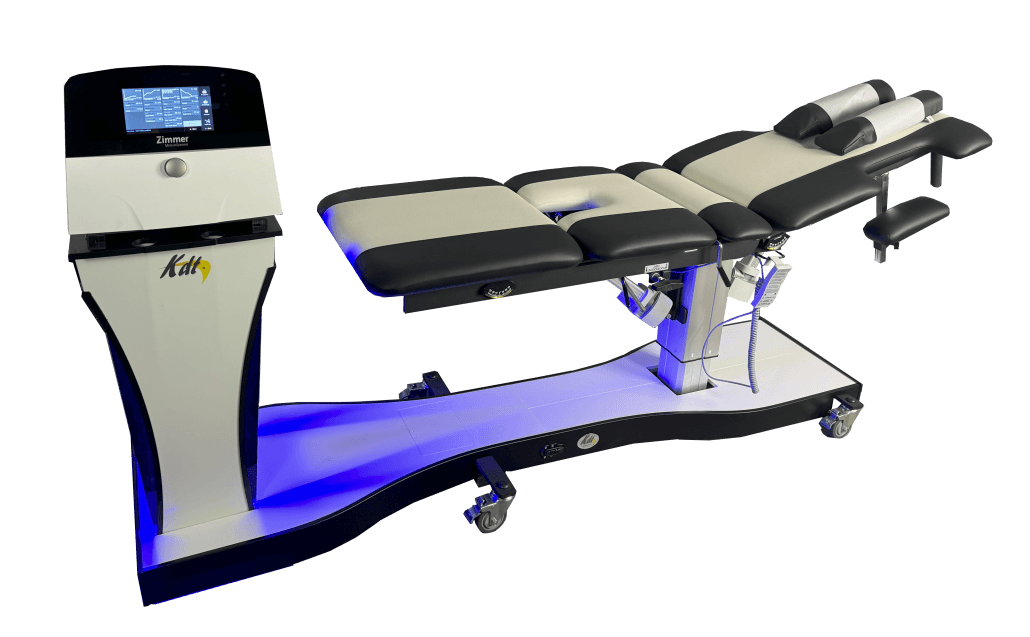
Common Conditions We Treat with Spinal Decompression Therapy
At Optimal Movement in Rochester, MN, spinal decompression therapy is used to reduce spinal disc pressure, relieve nerve compression, and support recovery from chronic spine-related conditions. Care is evidence-informed and focused on improving function, reducing pain, and supporting long-term movement health.




What Is Evidence-Based Spinal Decompression Therapy?
Evidence-based spinal decompression therapy at Optimal Movement focuses on reducing mechanical stress on spinal discs and nerves through controlled, non-surgical traction. Care is grounded in biomechanics and spinal physiology and is designed to support disc hydration, circulation, and nerve relief.
Rather than treating pain in isolation, spinal decompression therapy evaluates how disc pressure, spinal alignment, and nerve compression contribute to pain and movement limitations. Decompression forces are applied in a controlled and targeted manner to reduce disc stress and improve spinal function.
Spinal decompression therapy may be used on its own or integrated with chiropractic care, massage therapy, rehabilitation exercises, and other treatments. When applied appropriately, decompression supports improvements in pain reduction, mobility, and long-term spinal health.